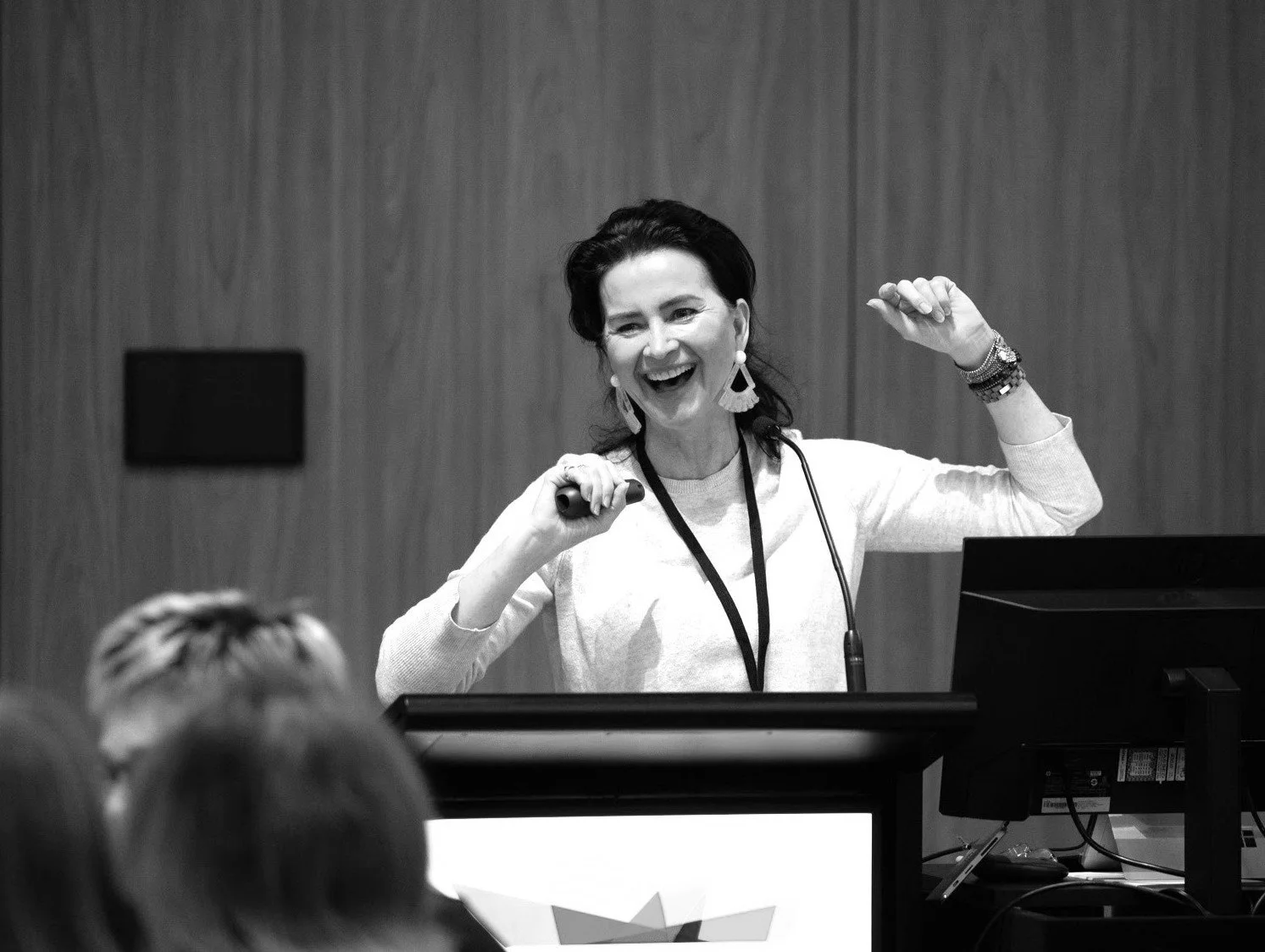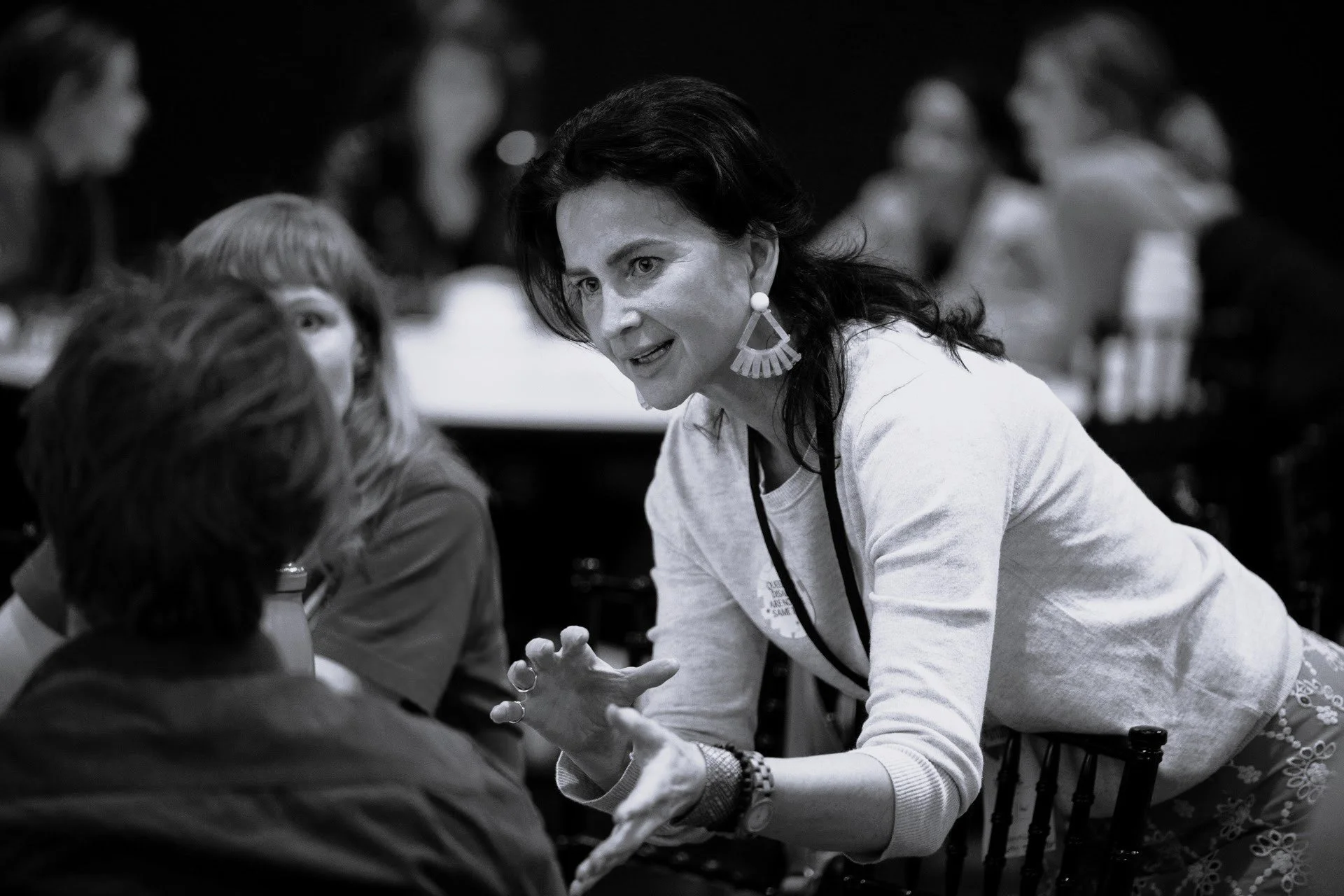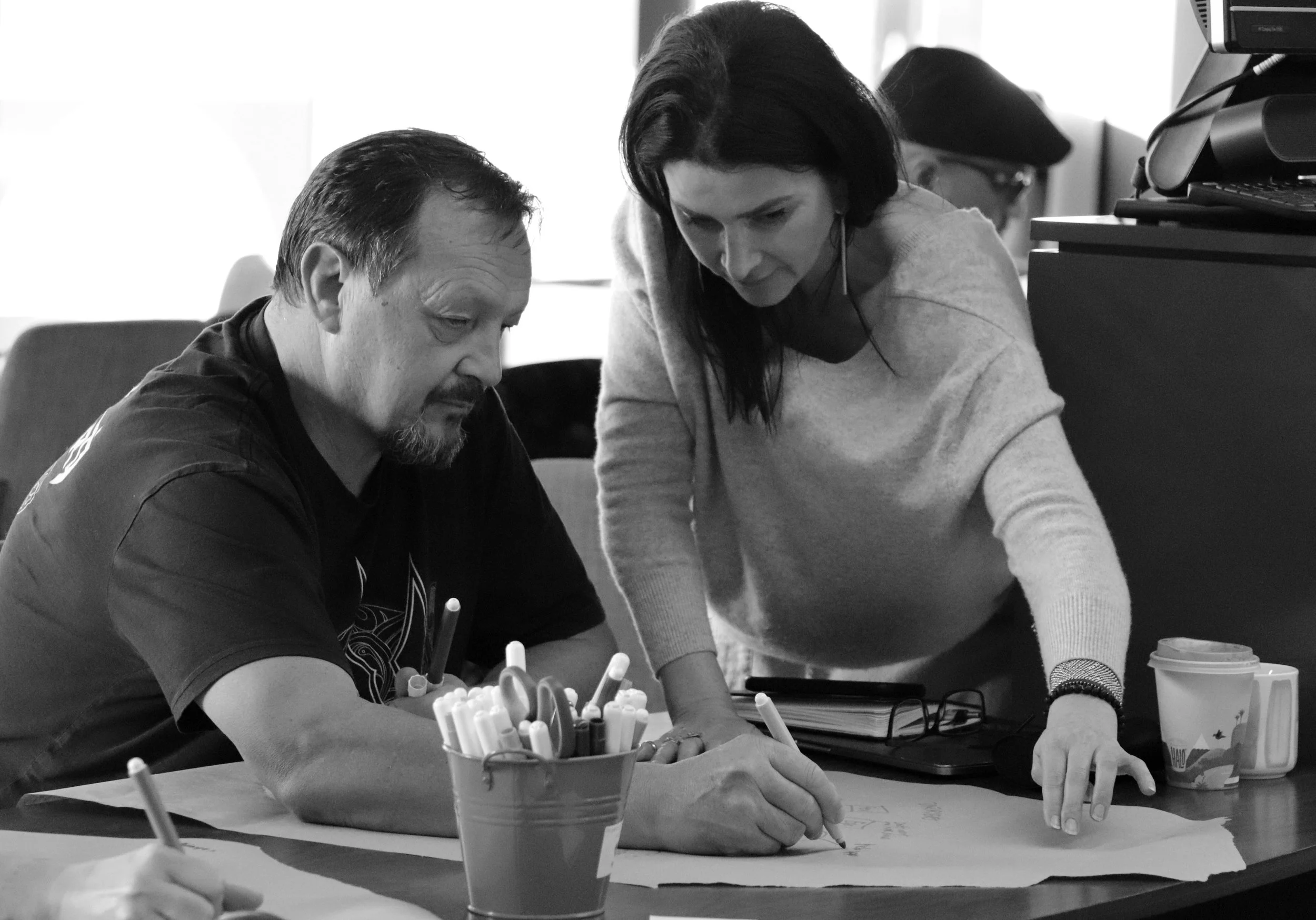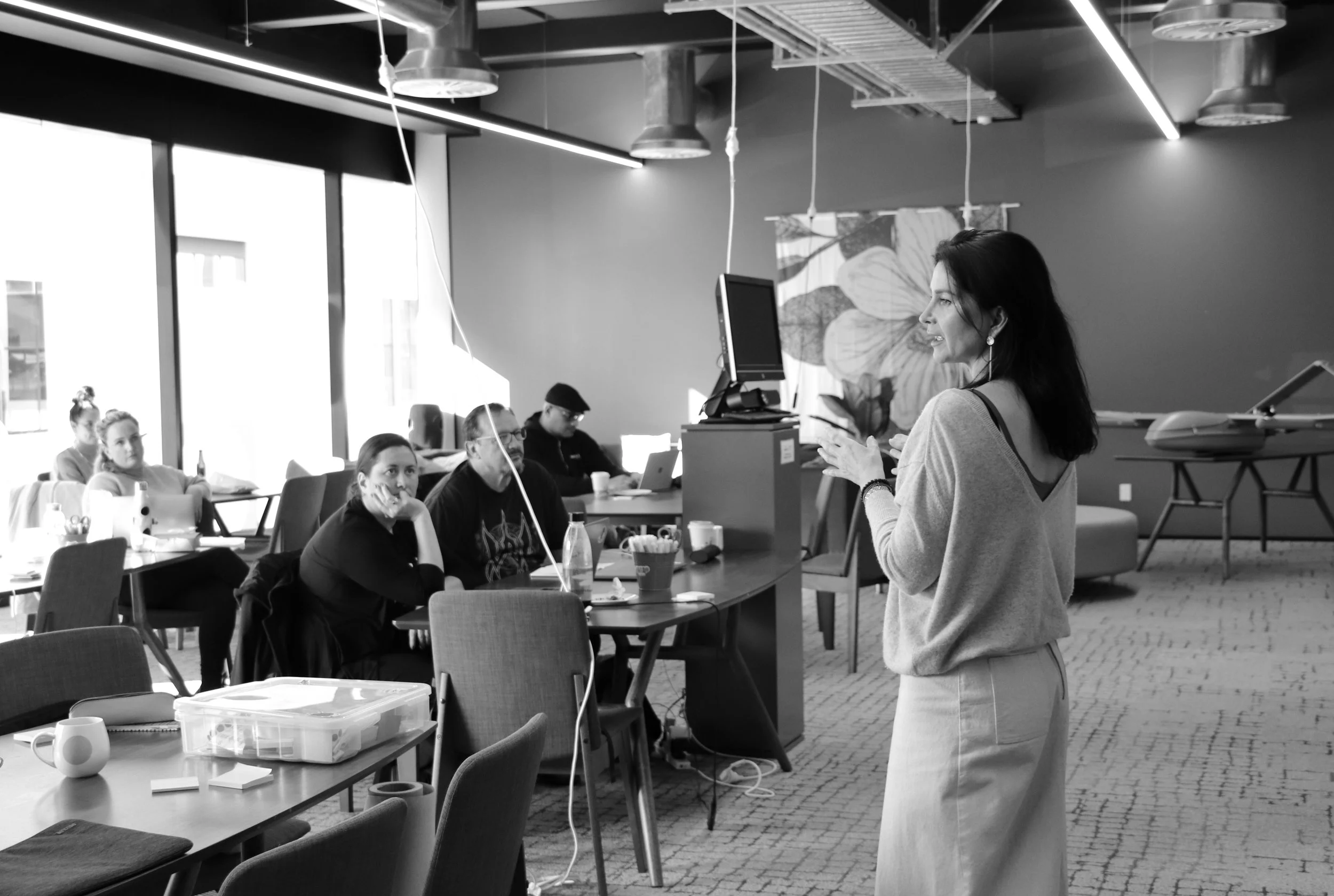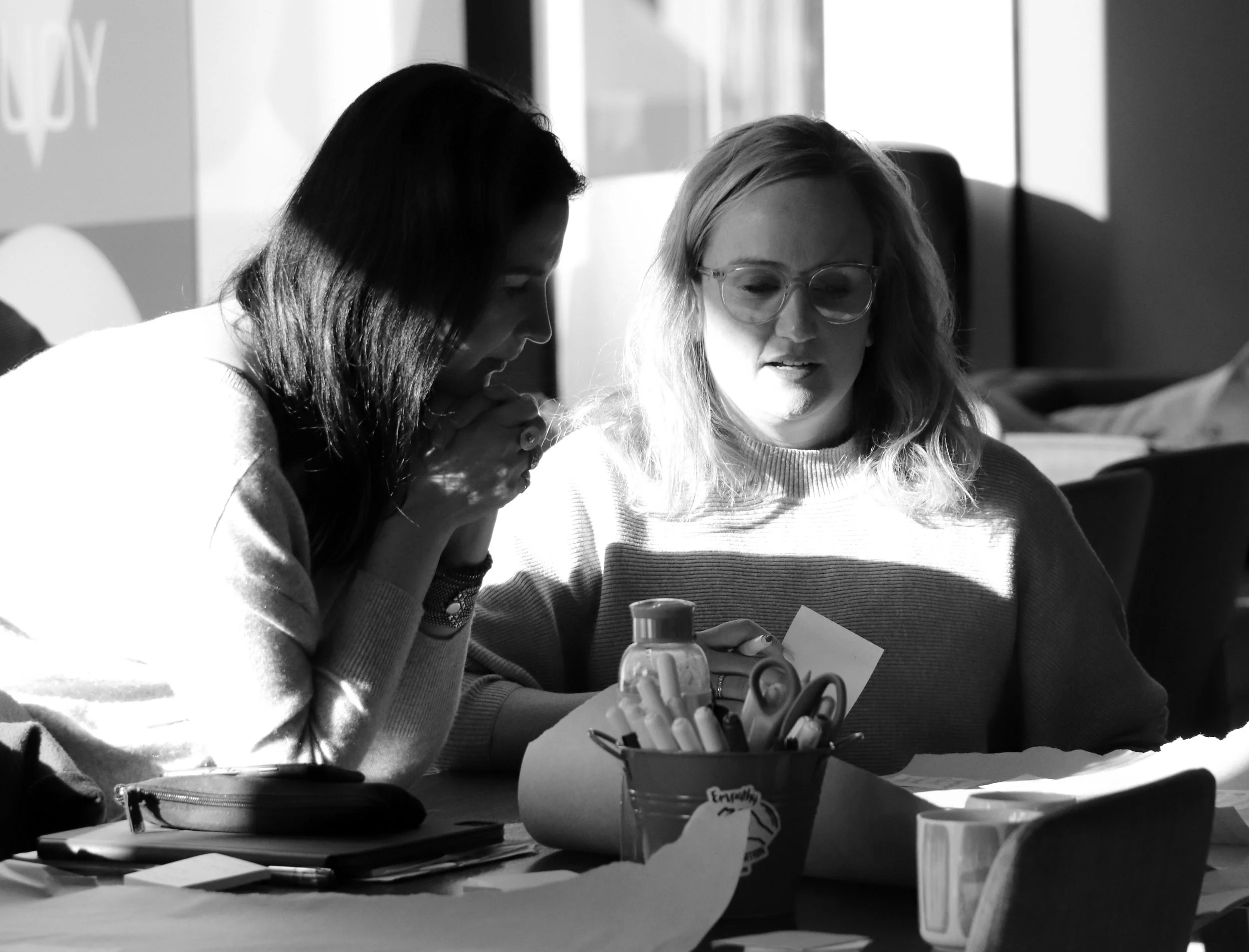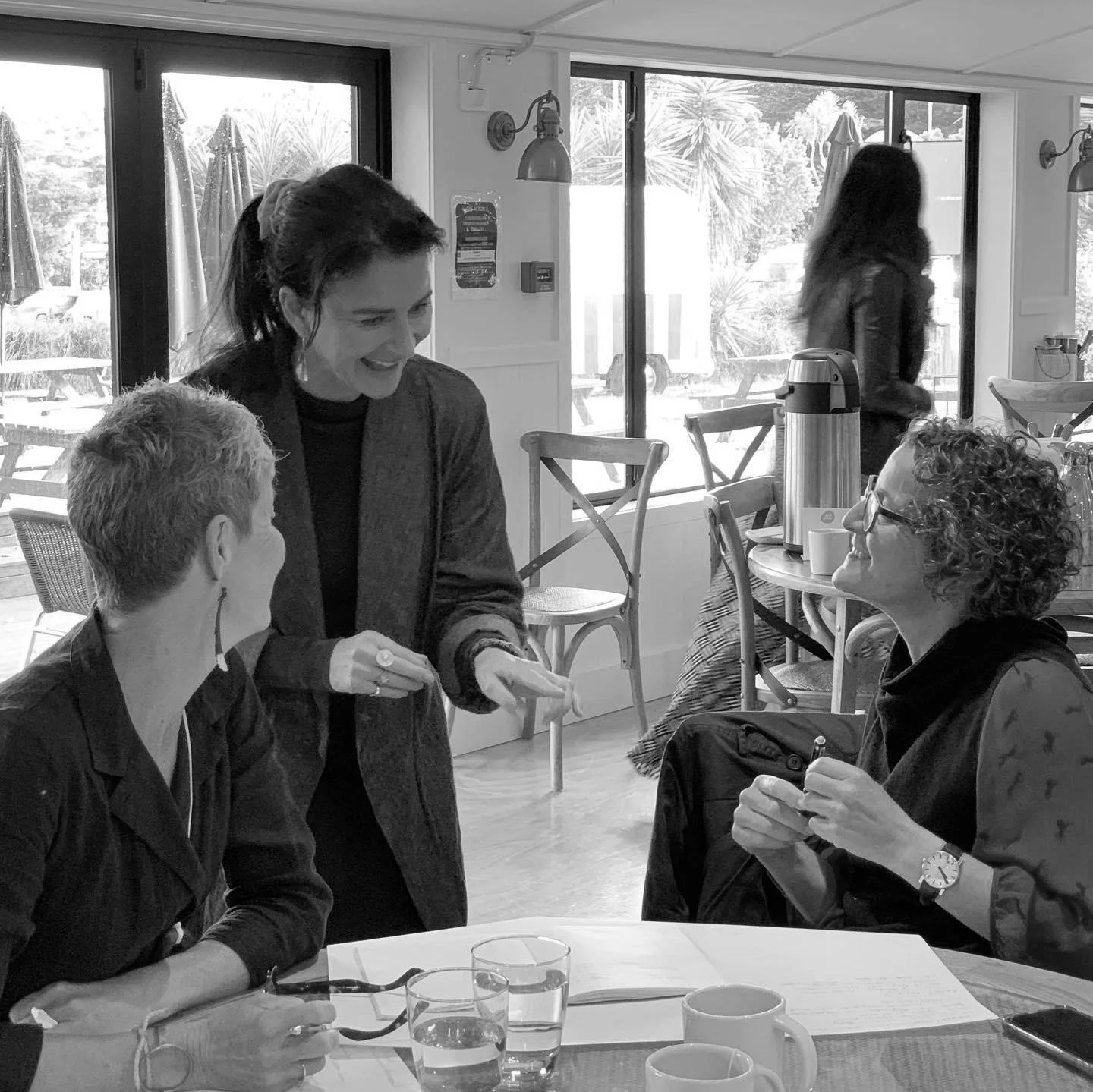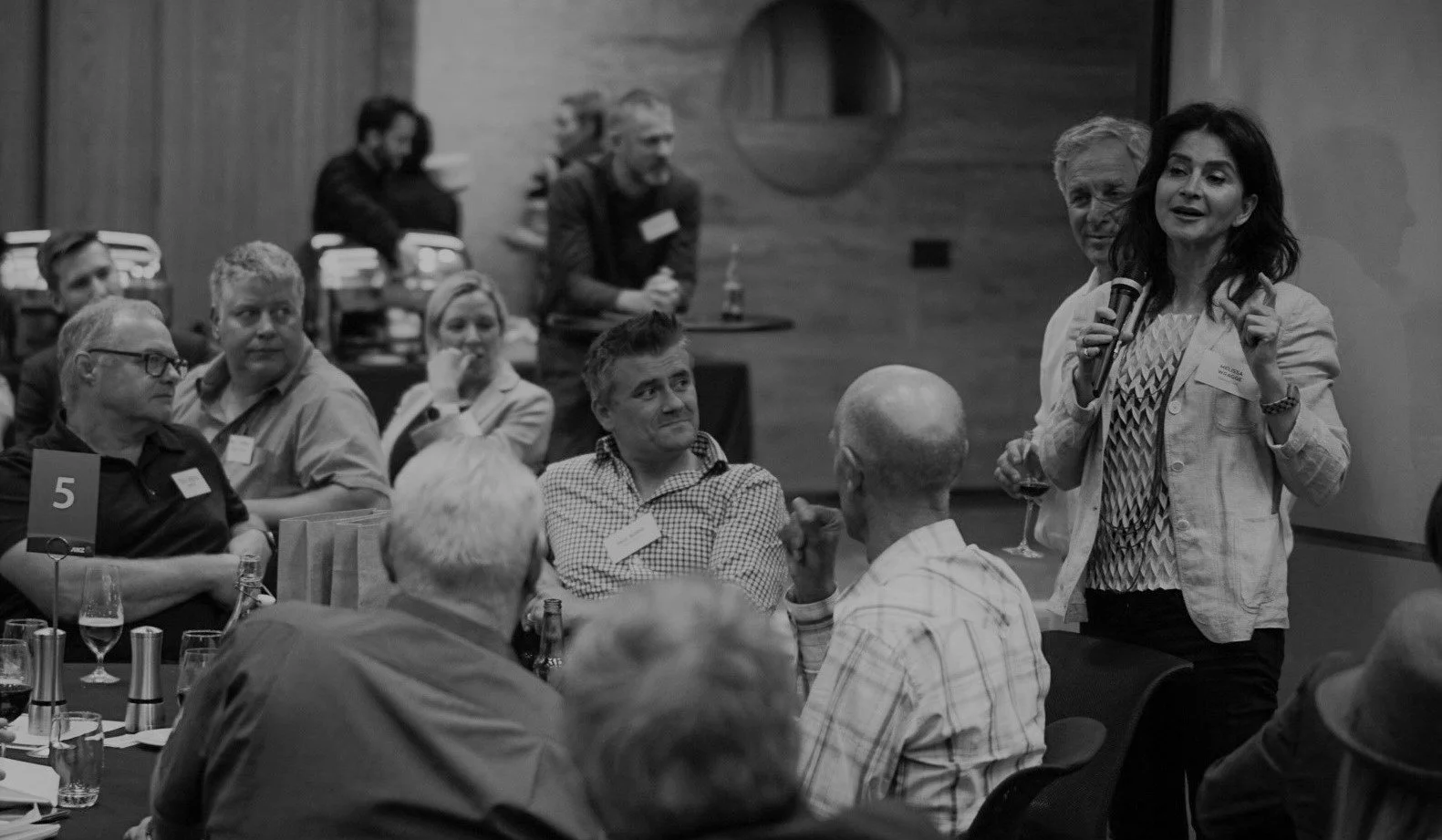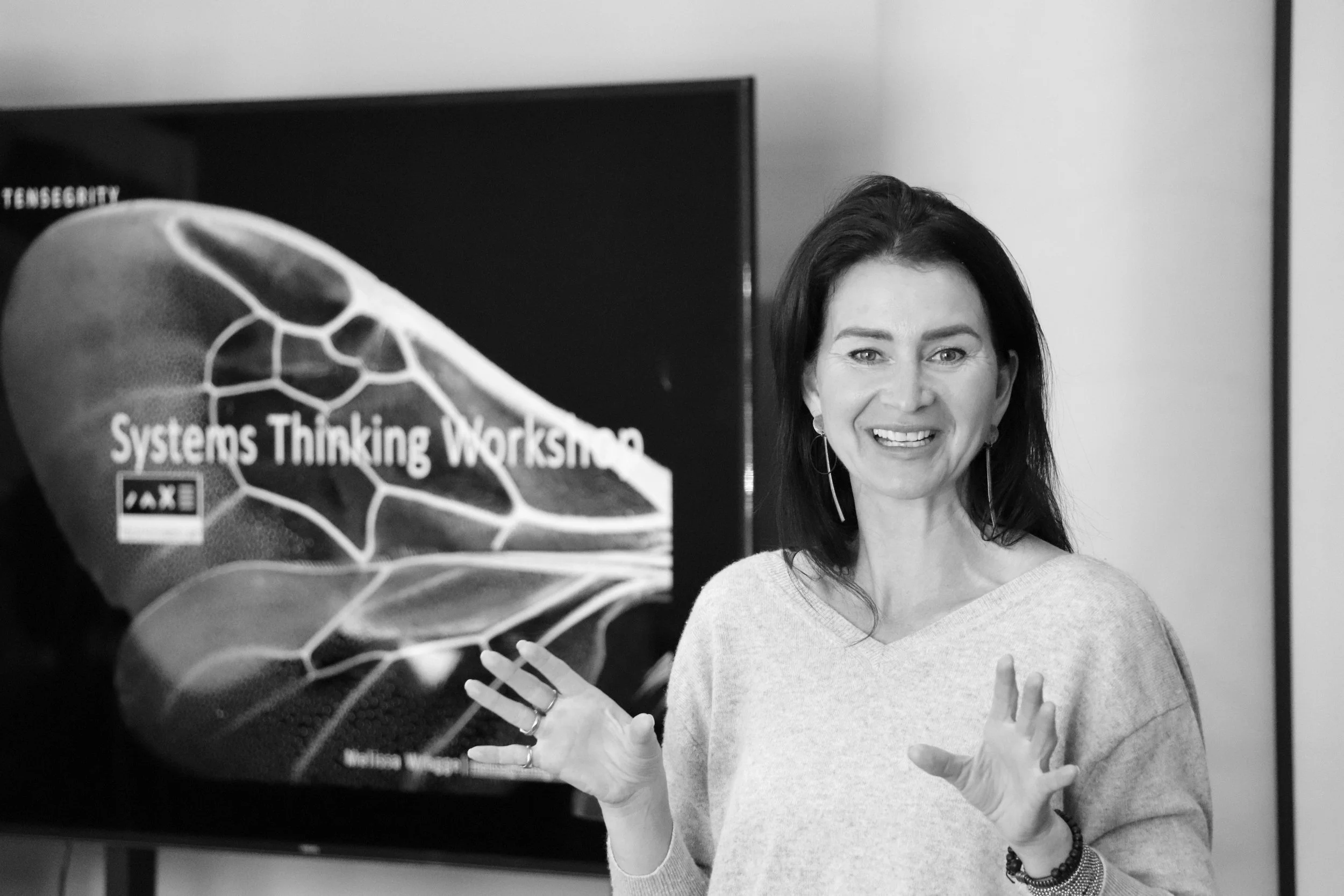
about Melissa
a little plotted history
-
Melissa kicked off her career with global FMCG giant Gillette (now P&G) in the mid 1990s. She then headed to the UK, working alongside McKinseys in an incubation project to strategically transform supermarket giant Safeway, delivering double NPAT YoY growth (where she learned systems-design thinking). She went on to spearhead strategic transformation programs in British Telecom (new media) and Prudential (strategic risk).
Returning to Aotearoa, New Zealand in 2002, Melissa took on the transformation of the product portfolios at global retail bank ANZ, as Head of Product, where she gained global recognition (and was an integral member of the M&A team merging with National Bank).
She was then poached by global retail bank Westpac to do the same, finding herself at age 30 accountable for $50B funds, leading four departmental teams across all retail on/off balance sheet, deposits and lending.
Melissa then took a strategic transformation role at The Warehouse to overhaul its marketing as Head of Marketing (with the country’s largest marketing budget), before being part of the world renowned design-led transformation of Air New Zealand.
-
The second half… came in 2009 when Melissa, as a new Mum, actively jumped to the regenerative ‘bright side’ - choosing to only work with businesses out to disrupt their markets, industries or social systems, for good.
She strategically transformed Ecostore, from hippy fringe to global cool, delivering lasting global growth and brand pedigree, with world leading bio-science and circular design solutions, before these things were given a name (delivering a number of global firsts, and winning a suite of awards incl. NZ Transformation of the year).
In 2014 Melissa undertook the strategic transformation of World Vision, recruited to transform a 30 year business model and create the business case for global roll out (which she proved and stress tested in global hot spots including Tanzania, South Sudan, Afghanistan, Cambodia and Solomon Islands).
In 2017 Melissa set up her own private practice, working 1:1 to help regenerative businesses disrupt their worlds. Clients included The Icehouse and Miraka to GOs like Auckland Council to start ups like Ārepa, Acuite, Dr Feelgood, Leaderful, Lof and Circularity.
For the last 11 years, Melissa has run a side gig in training exec leaders and entrepreneurs. Directly, and through the tertiary institute Academy EX, and New Zealand’s largest business incubation organisation The Icehouse.
-
In 2020 over lock downs Melissa went deep into 100 years of living systems regenerative research.
In 2021, Melissa curated all the thinking with the models she's used as a practitioner to create the bones of a business model innovation methodology, that would go on to be named the bio.t™ METHOD.
In 2022, she ran first rounds of Beta tested it with her private clients and Masters students.
In 2023 and 2024 she began her own Masters of Science in Biomimicry, and parked development while juggling after hours studies with client work.
In 2026 she calibrated the science, synthesized all the thinking, undertook research and prototyping of her bio.t™ METHOD with circular biotech founders.
Now, in late 2026, having graduating with distinction (and a 98% grade point average) she’s taking her bio.t™ METHOD public.
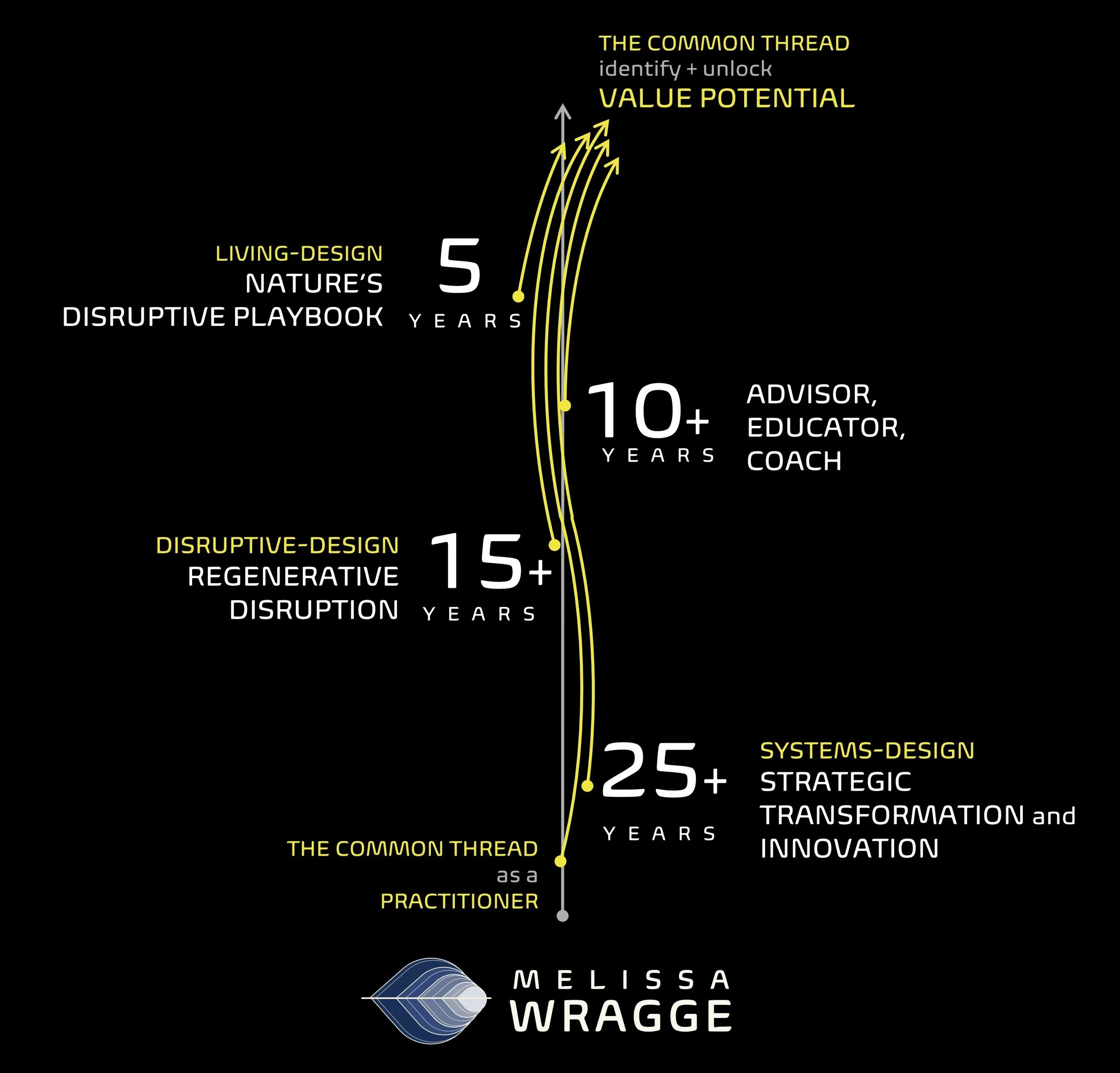
design thinking the interstitial space
As a trained system-design strategist, I have been deeply curious by the common thinking threads that weave through Nature’s living systems. I play in the space in between.
Why?
Because deep living intelligence works with value, value risk and value potential in novel ways. This is instructive for (i) design thinking, (ii) business model innovation thinking, and (iii) dynamic capability thinking that all rest interdependently, on definitions of value, for the purposes of re/designing a business model’s constituent parts, and the process sequence.
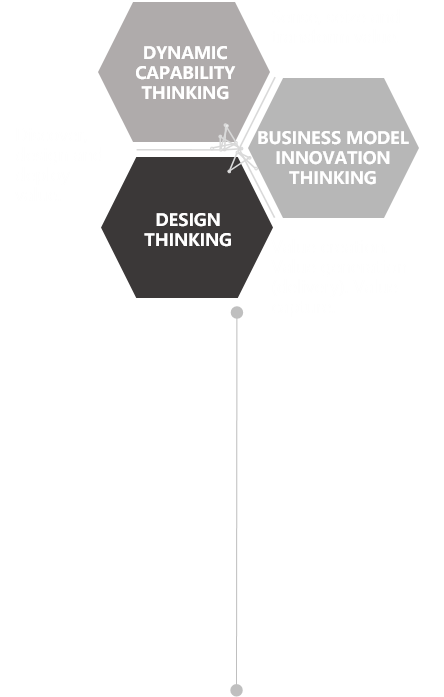
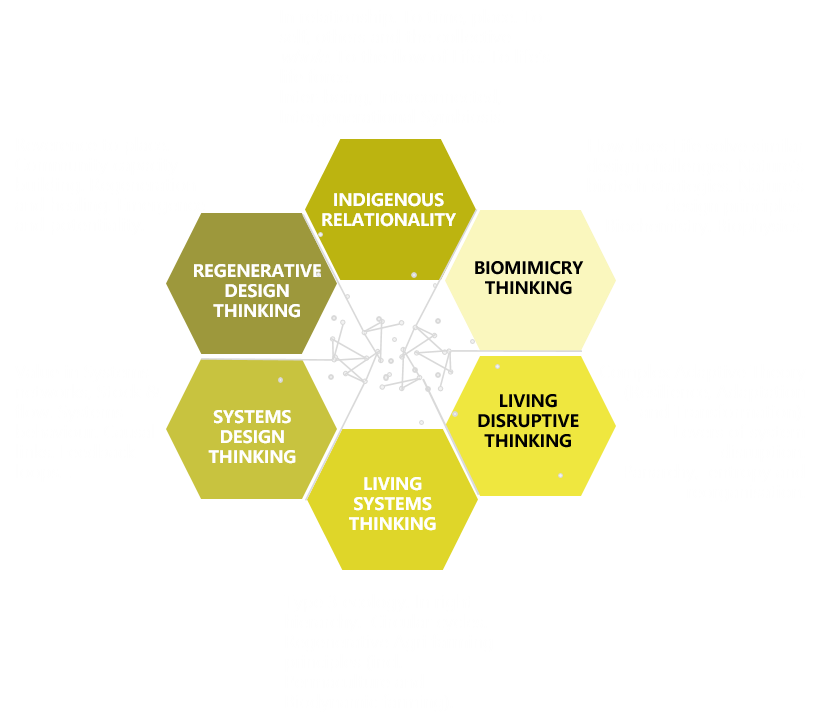
Why these six?
Because deep living intelligence is hardwired to be functionally (i) regenerative, (ii) inflow, and (iii) transformative, which are the 3 missing aspects of value that are needed to transition to the bio circular economy. This gives novel insight for re/designing business models for bio circular futures. As design archetypes, design processes and design principles.
I call it design thinking 3.8.
in other’s kind words
from clients
-
![]()
"Melissa transformed us into marketing-led company with aplomb. She transformed our product ranges, our brand, our design, our communications… that will serve us for years to come. Her winning awards is a testament to this transformation. She is leaving behind a strong platform for future growth."
Malcolm Rands, MNZM, Founder ecostore
-
![]()
“Melissa’s expertise in design-led thinking is outstanding. She is challenging, rigorous and super strategic, with an incisive understanding of an organization's un-realized potential. Her process was revelatory. The way I thought the organization delivered value wasn't correct. Both the challenge and the opportunity, were bigger. Her process brought this into sharp focus. Melissa operates at the top of her craft, with the upmost integrity.”
Dr Sandy Callister, Board member World Vision
-
![]()
“Melissa’s energy, empathy and experience have led me to believe she is a real world walking Wonder Woman! Within a short-time frame Melissa was able to help me craft the right business plan and strong brand positioning to attract investment and move forward into early stage market entry. Without her help I would have struggled to get to where I am now!”
Angus Brown, Founder Ārepa
-
![]()
“It is hard to express in words just how incredible my experience working with Melissa was. Her structured design-thinking program has given me a solid base to completely redesign my business. It has truly exceeded all of my expectations.”
Sophie Poelman, Founder Lof
-
![]()
“Melissa is a super power. She serves up gold. Her process is a real gift - she has this amazing way of getting to the core essence of the challenge and building up the process to help you make quality decisions. Her insights and frameworks are world leading. It has led to a change in our agenda forward, and the results speak for themselves. She’s engaging, empathetic, purpose driven and challenging; and she cares deeply.”
Andy Hamilton, ONZM, CEO The Icehouse
-
![]()
"Melissa helped me discover potential I hadn’t even thought of. She has the unique ability to help connect the dots using her Method, which is an easy framework to follow. This was hugely valuable for my business strategy and I’m so appreciative.”
Jayne Chater, Founder JC, Altris and Professionelle
-
![]()
"Melissa design thinking skills have been instrumental in helping us unlock our innovation potential. She has an uncanny ability to cut through big problems to identify what’s broken, what works and what can fly. She can see value potential and knows how to unlock it – both in the business and in people. I’d highly recommend her to any business leader wanting to reset and scale up their business"
Richard Wyeth, CEO Miraka
-
![]()
"Melissa is the real deal. Bundled in an effervescent parcel of infectious optimism, Melissa has a rare ability to cut through rhetoric and business myths to pinpoint the true strategic, commercial, problems. Melissa settles for nothing less than excellence. She has an enviable know-how on all aspects of modern business practice to add to her capabilities as a stunning marketer."
Helen Carter, CEO Cancer Society
-
![]()
"Melissa helped us define our place in the world. Where we want to play, the unmet market need and importantly- our superpowers. A powerful, robust and inspirational process. Melissa is a superpower of insight. Highly recommended!"
Dr Sue Watson, Founder Leaderful
-
![]()
"Melissa is quite simply a world class design practitioner. Her work at World Vision has been critical to exposing core challenges and providing a clear strategic way forward. I'm consistently impressed with Melissa's ability to balance strategic and commercial demands within environments that are rapidly evolving.”
Abraham Gibson, Board member World Vision and tech entrepreneur
-
![]()
"Melissa is magic. She has the ability to demystify and untangle complexity with insightful perspectives. She brings a wealth of experience, knowledge and practical solutions to all that she does. I am incredibly appreciative of her work with AcademyEX and her support of our postgraduate students."
Frances Valintine, CNZM, Founder Academy EX and Futurist


from biomimicry collab peers
-
![]()
“Melissa has a rare capacity to see into systems complexity and translate it. She asks precise, expansive questions and pairs her intellectual rigor with a genuine care for people. She creates the space for others to think boldly and contribute fully. It's more collaborative and results in stronger outcomes. I came to rely on her ability to reframe complex chemistry into clear, usable concepts that expanded my thinking and reshaped my practice. I have no doubt she will play a leading role in shaping the next evolution of biomimicry.”
Stosh Cotler, CEO, Social Activist, Innovator and US-based Biomimicry practitioner
-
![]()
"Melissa pushed our team further than we would have gone on our own. Where it's easy to default to familiar frameworks, she challenged us to go deeper by asking harder questions. She has a rare ability to see a problem differently and bring others along with her. The result was work that was more thoughtful, more original, in a process that she made feel productive rather than divisive."
Clyde Boyer, Chief innovation officer, Tech founder, and US based Biomimicry practitioner
-
![]()
“I've met smart woman, but Melissa is next-level impressive. She brings such generosity and warmth to projects alongside a brilliant intellect. She can zoom out to understand complex, interconnected challenges, and translate that insight into practical shifts. She not only enabled us to work with clarity, pace, and purpose, she elevated our thinking.”
Melanie Farmer, Innovation and Learning Specialist, Australia-based Biomimicry practitioner
-
![]()
“Most people struggle to communicate across different fields and fail to achieve practical integration. Yet, in this mucky space, Melissa shines. Her interdisciplinary skills are rare and invaluable. I will continue to actively seek Melissa’s input for transdisciplinary biomimicry collaborations of any scale”
Nick Heier, Innovation specialist, Engineer, Teacher and Australia-based Biomimicry practitioner
-
![]()
“Melissa’s presence consistently elevated my learning experience. She brings a depth of experience, intellectual sophistication, and practical insight to the biomimicry design table, resulting in deeply informed, and innovative work. Any community would benefit from her leadership, perspective, and ability to connect biomimicry, sustainability, and innovation in meaningful ways.”
Lisa Helminiak, Founder CulturLab, Human Centred Design Innovation specialist, Digital strategist and US-based Biomimicry practitioner
-
![]()
"Melissa’s background in strategy, innovation, and systems thinking brings both depth and breadth to biomimicry. She easily navigates the bridge between the biology and the problem space, extrapolating the science with precision that drive really novel design outcomes”
Sabrina Blowers, Strategy Director, Accenture and US-based Biomimicry practitioner
in my own words
I created the first draft of bio.t™METHOD in lockdowns, as I got pissed off by the greenwash hijack that distorted reality, masking truth. It wasn’t just that it was so wrong ethically and environmentally, it was that it distracted people from the huge disruptive growth opportunities.
I wanted to help people see past the mirage - and reap the benefits. So I decided to learn how Nature does disruptive regeneration. And I got really curious about tension, and how Nature doesn’t just lean into tension, but leverages it, to unlock value potential.
I marinated in the fundamentals of how cellular life functions from leveraging pressure potential. How the hardwiring for leverage is built on abundance. Which means the potential for unlocking value potential goes exponential.
Which I why friggin love Nature’s design thinking playbook. Because, in this crazy arse world of ours, it feels like it’s a playbook for truth and hope that’s actually real.
on the personal side
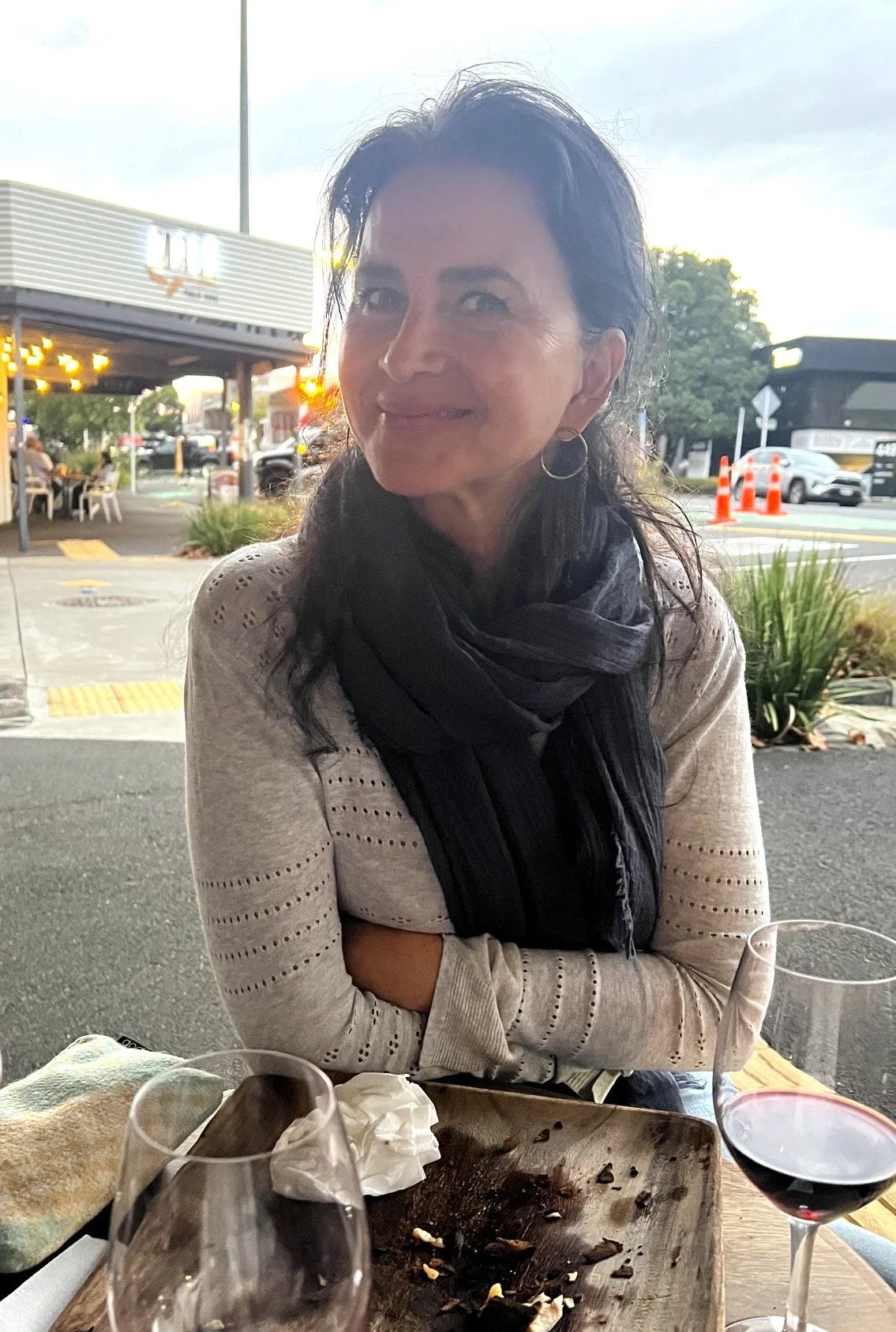
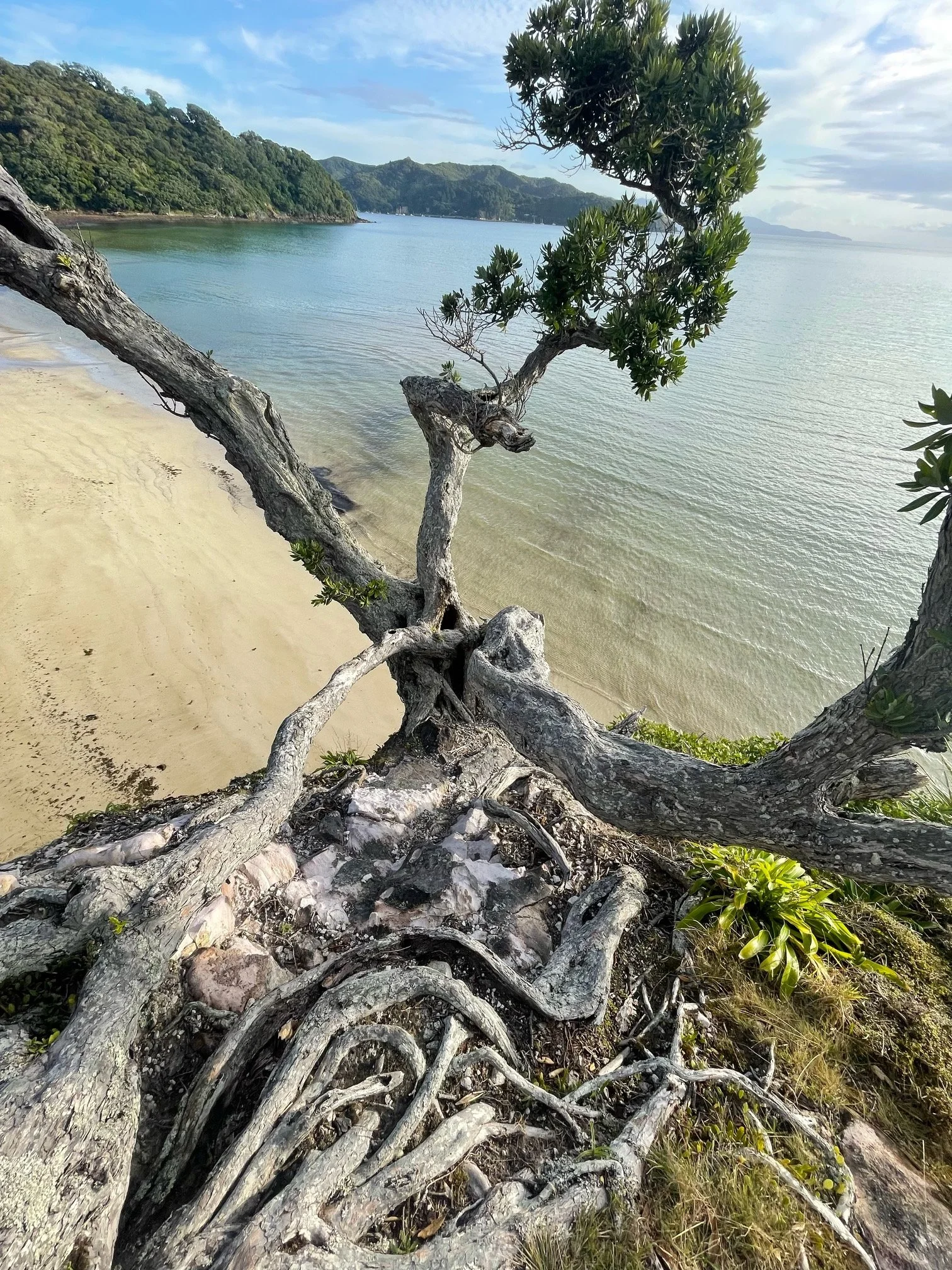
I am born and bred in Tāmaki Makaurau, Aotearoa (Auckland, NZ) with two fiercely clever and heart filled daughters now fleeing the nest for university, one beautiful Scotsman who has whiskey and wine in his DNA, one cat who thinks she’s a dog, and one dog who thinks the cat is a sheep. Aotea, Great Barrier Island is my tūrangawaewae.
I am currently active in exploring global biomimicry opportunities in the bio circular economy.
-
I wish to acknowledge my ancestors whose mana I draw from.
To my father Christopher Clement Wragge, second generation kiwi, who raised me as a tree hugger, and died, farewelled as kaumatua on his Waiheke marae for his life’s work fighting to protect the marine ecology of the Hauraki gulf.
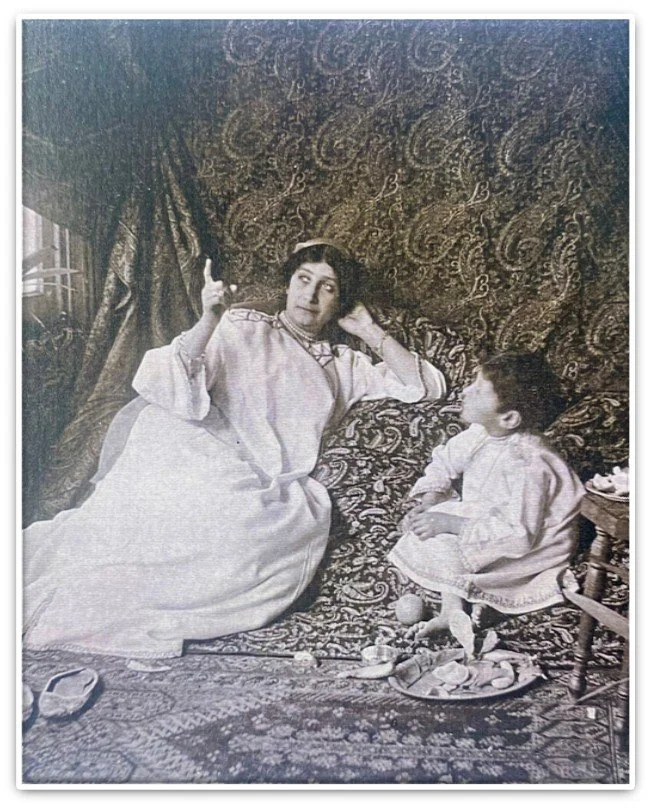
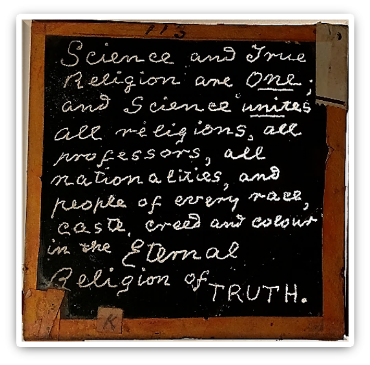
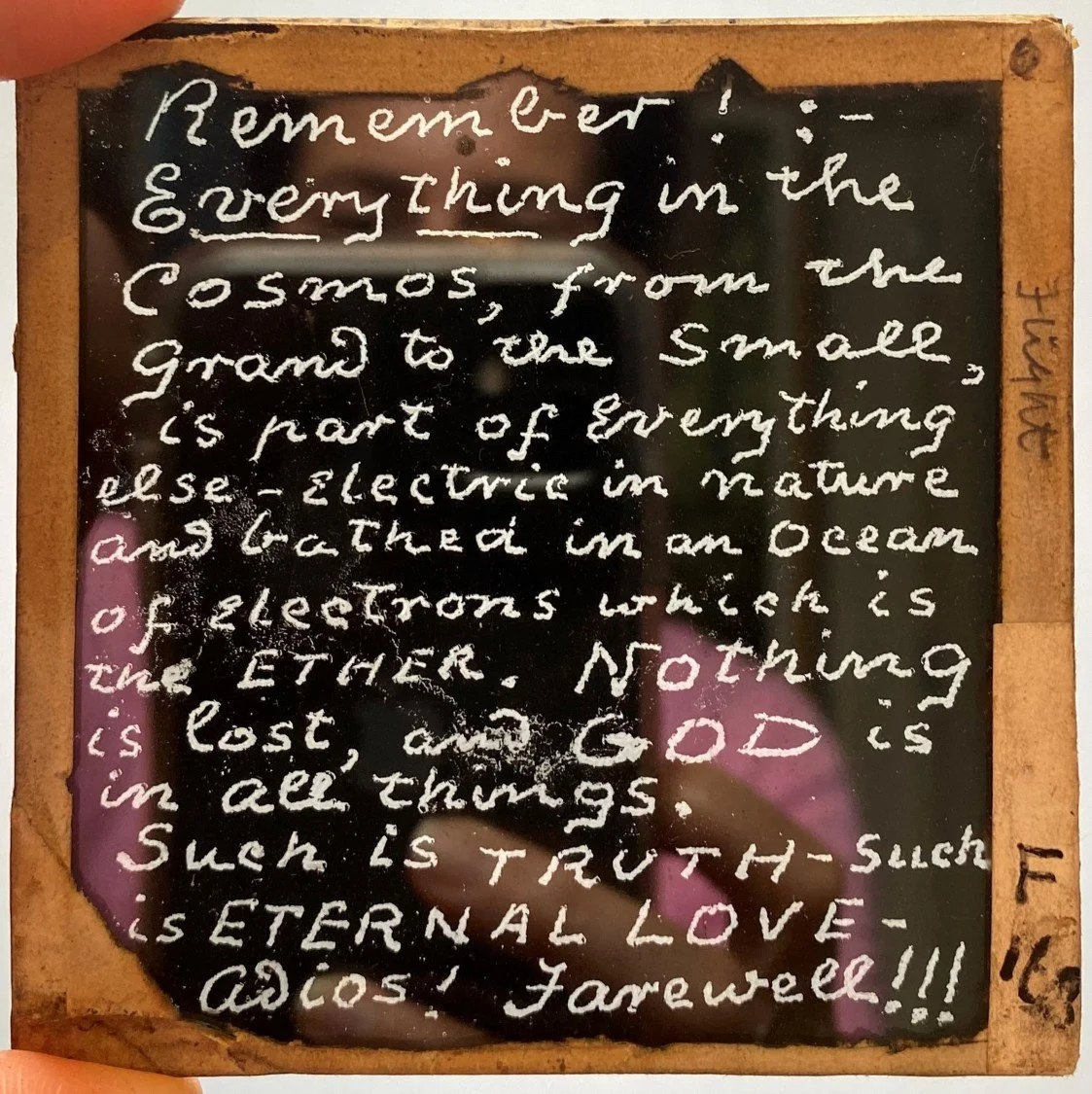
To my great grandfather Clement Lindley Wragge, globally renowned meteorologist, botanist, ecologist, cosmologist and one of the first climate scientists. As a renegade thinker, he rejected Victorian norms (and meat eating habits), travelling to India where he met my great grandmother, Louisa Emmeline Horne, Indian philosopher, theosophist and social activist. Together they travelled throughout the Pacific, settling in Tāmaki Makaurau, Aotearoa to establish the Waiata gardens in Birkenhead, where they wove naturalism with eastern philosophy and indigenous wisdom to teach regenerative land practices, with a deep ontological orientation. I am privileged to have been bequeathed their books (including first edition Rudolph Steiner), teachings and glass slides.
I wish to acknowledge my mother Eleanor Cave, first generation kiwi, direct descendent of Moses Austin, father of Stephen Fuller Austin (the “Father of Texas”) . I walk in the footsteps of her fierce intelligence, compassion and her model of leadership, expressed in quiet action.
With both my parents active bush trampers, members of the philosophy school, and Lomi Lomi masseuses, and with my mother a Buddhist, teaching Tai Chi, and my father a tree-hugger with his plant medicine first aid kit, I grew up with a blending of world views, in which trees were my friends, and respecting Nature’s wisdom was only natural.
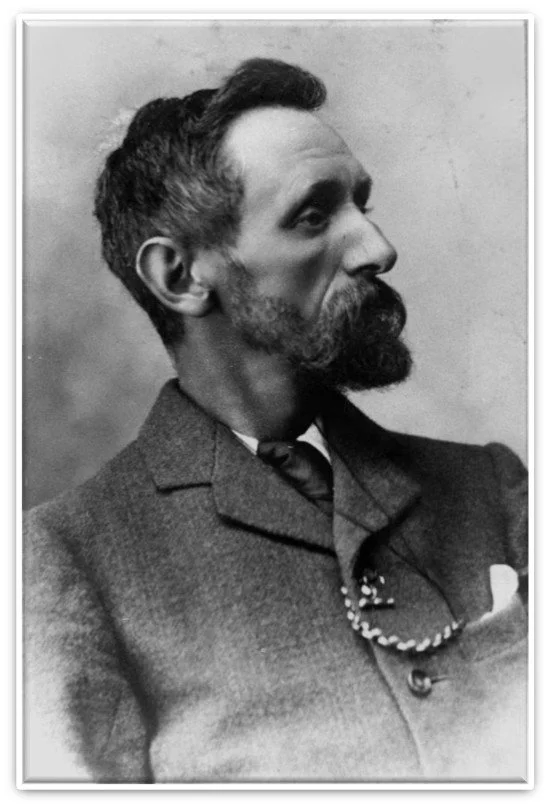
“I see nothing in Nature left to chance... We should worship Nature, obey her laws. And those that worship Nature are the real noblemen” - Clement Lindley Wragge, 1906. Romance of the South Seas
businesses transformed
STRATEGY | INNOVATION | BUSINESS MODEL TRANSFORMATION